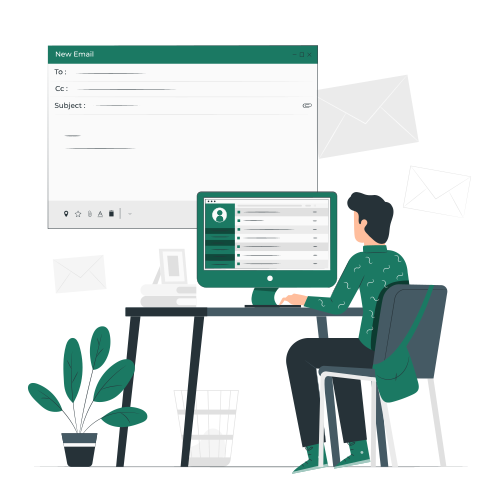
Want to boost your open rates and conversions without spending all your time in your inbox? Say hello to automated email marketing campaigns! These savvy marketing tools can help you streamline email campaigns, save time, and improve results.
In this article, we’ll explore the world of automated email marketing campaigns, sharing strategies and best practices to help you succeed.
From triggered emails to segmentation, we’ll cover everything you need to know to create killer campaigns that engage and convert your audience.
So let’s dive in and discover how automated email marketing can help take your business to the next level!
What Are Your Goals for Your Automated Email Marketing Campaigns?
Now that you’ve decided to explore the world of automated email marketing campaigns, it’s time to set your goals. Defining your goals is crucial to the success of your campaigns, as it helps you create a strategy and identify key performance indicators (KPIs) that you can use to measure success.
Here are some questions to ask yourself when setting goals for your automated email marketing campaigns:
- What do I want to achieve with my email campaigns? Do I want to increase sales, boost engagement, drive traffic to my website, or achieve another goal.
- Who is my target audience, and what type of content do they respond to best?
- What types of automated email campaigns should I create to achieve my goals? For example, should I send welcome emails, abandoned cart reminders, or post-purchase follow-ups?
- How often should I send automated emails to my subscribers, and what should the timing and cadence be?
- How will I measure the success of my automated email marketing campaigns? What KPIs will I track, and how will I use this data to optimize my campaigns over time?
Ready to create an effective automated email marketing campaign that engages your subscribers and drives results?
Here are some best practices and strategies to keep in mind:
Define Your Audience
Before you start creating your automated email campaigns, it’s important to define your target audience. This will help you create more personalized and relevant content that resonates with your subscribers.
Use Segmentation
Segmenting your email list based on subscriber behavior, demographics, or preferences can help you deliver more targeted and effective automated email campaigns. For example, you could create segments based on purchase history, email engagement, or location.
Craft Compelling Subject Lines
Your subject line is the first thing your subscribers will see in their inbox, so it’s important to make it compelling and attention-grabbing. Use A/B testing to test different subject lines and see which ones perform best.
Create Valuable Content
Your email content should be valuable and relevant to your subscribers. Whether you’re sharing educational content, exclusive offers, or product updates, make sure it’s something your subscribers will find useful or interesting.
Use Automation Triggers
Automation triggers allow you to send automated emails based on specific subscriber behavior or actions, such as abandoning a cart or signing up for your newsletter. This helps you deliver timely and relevant content that can increase engagement and conversions.
Monitor Your Results
Tracking your email campaign results is crucial to optimizing and improving your automated email marketing strategy. Keep track of metrics like open rates, click-through rates, and conversion rates, and use this data to make informed decisions about your campaigns.
After you’ve defined your goals for your automated email marketing campaigns, it’s time to create effective campaigns that engage and convert your audience. Here are some best practices and strategies to help you create killer automated email marketing campaigns:
- Personalize your emails: Use dynamic content and segmentation to tailor your emails to the specific interests and behaviors of your subscribers.
- Keep it short and sweet: Your emails should be easy to read and to the point. Use clear, concise language and include a clear call-to-action.
- Test, test, test: Use A/B testing to experiment with different subject lines, content, and designs to see what resonates best with your audience.
- Use triggered emails: Triggered emails, such as abandoned cart reminders or post-purchase follow-ups, can help you recover lost sales and keep your customers engaged.
- Optimize for mobile: Make sure your emails are optimized for mobile devices, as more than half of all email opens happen on mobile.
- Monitor your performance: Track your KPIs and monitor your performance over time to identify areas for improvement and optimize your campaigns accordingly.
Strategies for Automating Email Marketing Campaigns
In the previous sections, we covered some of the essential strategies and best practices for creating successful automated email campaigns. Now it’s time to take it up a notch and make your campaigns truly stand out from the crowd.
Here are some advanced techniques you can use:
Dynamic Content
1. Benefits of Dynamic Content
Dynamic content is a great way to create personalized and engaging email campaigns. By using subscriber data to customize the content of your emails, you can create a more tailored experience that resonates with your audience.
2. Examples of Dynamic Content Strategies
- Dynamic product recommendations based on past purchases or website activity.
- Personalized images or videos based on subscriber data.
- Location-based content that changes based on the recipient’s location.
User-Generated Content
1. Benefits of User-Generated Content:
User-generated content (UGC) is a powerful way to build trust and engagement with your audience. By featuring content created by your customers, you can showcase real-life examples of your product or service in action.
2. Examples of User-Generated Content Strategies
- Highlighting customer reviews or testimonials in your emails
- Sharing social media posts that mention your brand
- Encouraging subscribers to submit their own photos or videos featuring your product or service
Behavior-Based Triggers
1. Benefits of Behavior-Based Triggers
Behavior-based triggers are automated emails that are triggered by a specific action or behavior from your subscribers. By sending targeted messages based on subscriber behavior, you can create a more personalized and relevant experience.
2. Examples of Behavior-Based Trigger Strategies
- Abandoned cart emails are triggered when a subscriber leaves items in their cart without checking out
- Welcome emails that are triggered when a subscriber signs up for your email list
- Re-engagement emails are triggered when a subscriber hasn’t opened or clicked on your emails in a while
In the first section of this article, we discussed the basics of automated email marketing campaigns. Now, let’s dive deeper into the strategies and best practices that will help you make the most of your email campaigns.
A/B Testing
1. Benefits of A/B Testing
A/B testing allows you to compare different versions of your emails to see what works best. This can help you optimize your campaigns for better results and higher conversions.
2. Examples of A/B testing strategies
Here are some ideas for A/B testing your email campaigns:
- Different subject lines
- Different email copy
- Different calls-to-action
Timing
Examples of effective timing strategies
Timing is everything when it comes to email campaigns. Here are some effective timing strategies to consider:
- Sending emails at the right time of day (based on your audience’s habits)
- Sending emails at the right frequency (not too often or too infrequently)
- Sending emails at the right time in the sales cycle (e.g., before a big sale or after a purchase)
Best Practices for Automating Email Marketing Campaigns
Now that you have a good grasp of advanced techniques and strategies for automating your email marketing campaigns, let’s dive into some best practices to make your campaigns stand out and be more effective. These tips are essential to any successful email campaign, so be sure to incorporate them into your next campaign.
Use a clear subject line
Your subject line is the first impression your subscribers will have of your email, so it needs to grab their attention and persuade them to open it.
Keep the emails short and concise
Your subject line is the first impression your subscribers will have of your email, so it needs to grab their attention and persuade them to open it.
- Apple’s email promoting their new iPhone: Apple keeps their email short and simple, highlighting the key features of their new iPhone and using stunning visuals to capture the reader’s attention.

Include a Call-to-Action
Your email should have a clear call-to-action that prompts your subscribers to take action. Here are some examples of effective calls-to-action:
- “Shop Now” – from Rover: Rover’s call-to-action is clear and straightforward, prompting the subscriber to click and start shopping.

Make the Email Mobile Friendly
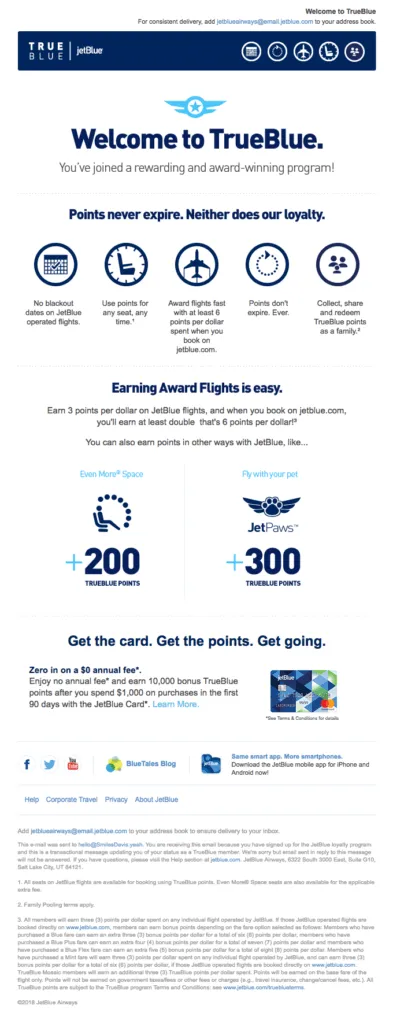
More and more people are accessing their emails on their mobile devices, so it’s essential that your email is mobile-friendly. Here’s an example of an effective mobile-friendly email:
- JetBlue’s rewards confirmation email: JetBlue’s email is optimized for mobile devices, with a clear layout and easy-to-read text. The email also includes important information, such as how their point system work, in a prominent position.
Tools for Automating Email Marketing Campaigns
Email Marketing Software
When it comes to automating your email marketing efforts, having reliable software is crucial. Here are a few popular tools that will help you streamline your campaigns and achieve stellar results:
- Klaviyo: Klaviyo is a powerful email marketing platform that excels in automation. With its intuitive interface and advanced segmentation capabilities, you can create personalized email journeys based on customer behavior and preferences. Klaviyo’s robust analytics also provide valuable insights into your campaign performance.
- Salesforce Marketing Cloud: As part of the Salesforce ecosystem, Marketing Cloud offers a comprehensive suite of tools for automated email marketing. From building customer journeys to personalized messaging, it allows you to create seamless experiences across multiple channels.
- SmartMail: SmartMail is an all-in-one email marketing automation platform that empowers businesses to create highly personalized and engaging email campaigns. With its user-friendly interface and advanced segmentation capabilities, SmartMail allows you to deliver the right message to the right audience at the right time. From intuitive workflows to dynamic content personalization, SmartMail has got you covered.
Best Automated Email Campaigns
To truly grasp the power of automated email marketing, let’s take a peek at some retail brands that have nailed it with their automated campaigns:
REI:
- REI, the outdoor gear retailer, leverages automated email campaigns to engage their customers throughout their journey. They send personalized recommendations based on past purchases, provide relevant content like hiking tips, and even send reminders for upcoming outdoor events. By understanding their customers’ interests and tailoring their emails, REI builds strong connections and brand loyalty.
Sephora:
- Sephora’s automated email campaigns are a beauty lover’s dream come true. They send personalized product recommendations, offer exclusive discounts, and provide makeup tutorials based on a customer’s preferences and purchase history. These tailored emails make customers feel special and keep them coming back for more beauty indulgence.
Target:
- Target knows the art of reminding customers about items left in their cart. They send automated emails with gentle nudges, reminding shoppers of the items they showed interest in and encouraging them to complete their purchase. By using personalized content and enticing offers, Target recaptures potential lost sales and drives conversions.
What is Email Marketing Automation?
In the realm of marketing wonders, email marketing automation is a superhero. It’s the process of using software tools to send targeted and personalized emails to your audience automatically. This powerful strategy allows you to nurture leads, engage customers, and build relationships, all while saving time and effort.
By setting up automated workflows, you can send emails based on triggers like sign-ups, purchases, or website interactions. These emails can be tailored to specific segments of your audience, ensuring that each subscriber receives relevant and timely content.
Automated email marketing strategy
To conquer the realm of automated email marketing, you need a solid strategy.
Here are some key steps to consider:
- Define your goals: Determine what you want to achieve with your automated email campaigns, whether it’s driving sales, increasing engagement, or building customer loyalty.
- Segment your audience: Divide your subscribers into specific groups based on demographics, preferences, or purchase behavior. This segmentation allows you to create more targeted and personalized emails.
- Craft captivating content: Develop compelling and valuable content that speaks directly to each segment of your audience. Use engaging visuals, personalized recommendations, and persuasive language to capture their attention and drive action.
- Set up automated workflows: Map out customer journeys and create automated workflows that guide subscribers through different stages of their relationship with your brand. Define triggers and actions that initiate the sending of specific emails.
For example, you can set up a welcome email series for new subscribers, abandoned cart reminders for those who left items in their carts, or re-engagement emails for inactive subscribers.
- Test and optimize: Continuous improvement is key to successful automated email campaigns. Test different elements such as subject lines, content, call-to-action buttons, and sending times to optimize your campaigns. Monitor key metrics like open rates, click-through rates, and conversions to make data-driven decisions and refine your strategy.
- Monitor and analyze: Use the analytics provided by your email marketing software to track the performance of your automated campaigns. Monitor key metrics, identify trends, and gain insights into what’s working and what can be improved. This data will guide your decision-making and help you refine your automated email marketing strategy over time.
- By embracing the power of email marketing automation and following these best practices, you’ll be well on your way to creating engaging, personalized, and effective email campaigns that drive results for your retail business.
Take-Aways
In the ever-evolving landscape of marketing, automated email campaigns have emerged as a game-changer. As we wrap up our journey through the strategies and best practices of automated email marketing, let’s recap the incredible benefits and catch a glimpse of the exciting future that awaits us.
Benefits of Automated Email Marketing:
- Time-Saving Magic: Automation frees up your valuable time by setting up campaigns in advance.
- Personalized Connections: Segmentation and targeted content create meaningful engagement.
- Enhanced Customer Experience: Delivering seamless and personalized experiences fosters loyalty.
- Data-Driven Success: Robust analytics empower you to optimize campaigns for better results.
Future Trends in Email Marketing Automation:
- Hyper-Personalization: Real-time adaptability based on customer preferences and behavior.
- Interactive Engagement: Interactive elements turn recipients into active participants.
- AI-Powered Automation: AI optimizes subject lines and delivers tailored content.
To unlock the full potential of automated email marketing, consider trying SmartMail. With SmartMail’s powerful features, including intuitive workflows and dynamic personalization, you can revolutionize your campaigns and achieve remarkable results.
Embrace the power of automation, stay ahead of the trends, and let your email campaigns soar to new heights.